Finding Reliable Standby Power Needs
Explore the Top Features and Offerings Available by Backup Generators Today.
Emergency generators have advanced significantly, incorporating advanced features that improve their performance and operational convenience. Key innovations include Seamless Transfer Switches for seamless power changes and distant tracking features for real-time performance insights. Furthermore, noise reduction technologies and energy saving methods reflect a growing emphasis on operator convenience and sustainable practices. As these systems keep improving, the consequences for emergency preparedness and home security become increasingly important. What other features might alter their purpose?
Automatic Transfer Switch: Smooth Power Changeover
An automatic transfer switch (ATS) is a vital part in emergency power installations, ensuring a smooth transition of power when power fails. When the main power source cuts out, the switch recognizes the outage and swiftly disconnects the building from the grid. This action prevents backfeed, which can create dangers for utility workers and equipment. Concurrently, the switch instructs the generator to start up, ensuring continuous energy availability
Once the system is active, the ATS switches the power demand to the generator, maintaining essential services and lessening downtime. Portland Standby Generators. In most installations, the ATS also continuously monitors electrical conditions and can independently return to utility power once it is restored. By allowing this reliable and swift transition, the ATS improves operational dependability and ensures that properties and residences remain powered during emergencies. The incorporation of this switch marks a significant improvement in guaranteeing consistent energy availability
Off-Site Oversight and Management
While backup units deliver critical energy during outages, off-site management capabilities enhance their functionality by allowing users to oversee generator performance from afar. This technology utilizes smart devices and applications, permitting owners and operators to check system health, efficiency statistics, and maintenance needs in immediately.
Users receive alerts regarding power issues, fuel levels, and operational anomalies, facilitating quick response and cutting unnecessary idling. The intuitive interfaces allow for easy adjustments and settings modifications, encouraging increased customer interaction and control.
Moreover, remote monitoring can facilitate proactive maintenance scheduling, minimizing unexpected failures and extending the generator's lifespan. As a result, users can enjoy peace of mind, knowing their standby generator is functioning efficiently, ready to provide reliable power when needed. This added layer of convenience and oversight makes remote monitoring a valuable feature in modern standby generators.
Noise Reduction Technology
Noise reduction technology plays an essential role in enhancing the user experience of standby generators. As these systems operate during power outages, minimizing noise levels becomes vital, especially in residential settings. Manufacturers have developed get the full story various methods to achieve quieter operation, including sound-dampening enclosures and advanced muffler designs.
Many modern standby generators feature insulated cabinets that not only reduce noise but also protect the internal components from weather elements. Additionally, some models incorporate vibration isolation systems that further minimize sound during operation. The implementation of these technologies allows users to maintain their comfort and peace while ensuring reliable power during outages.
Fuel Efficiency and Environmental Considerations
In examining fuel efficiency and environmental considerations, standby generators present various technologies aimed at reducing emissions. A comparison of fuel consumption across different models highlights the importance of selecting units that optimize energy use. Additionally, the exploration of renewable energy options further enhances the eco-friendliness of standby power solutions.
Emission Reduction Technologies
As concerns about climate change and air quality grow, the importance of emission reduction technologies in standby generators becomes increasingly evident. These technologies are designed to minimize harmful emissions, making generators more environmentally friendly. Innovations such as advanced catalytic converters and particulate filters markedly reduce pollutants, including nitrogen oxides and particulate matter. Additionally, manufacturers are integrating cleaner-burning fuels and optimizing combustion processes to enhance overall efficiency and lower emissions. The implementation of smart monitoring systems also allows users to track emissions in real-time, ensuring compliance with environmental regulations. As a result, using these emission-reducing technologies not only benefits the environment while also satisfying increasing consumer requests for green power alternatives. Overall, these options constitute a crucial move towards greener standby power options.
Comparing Fuel Usage
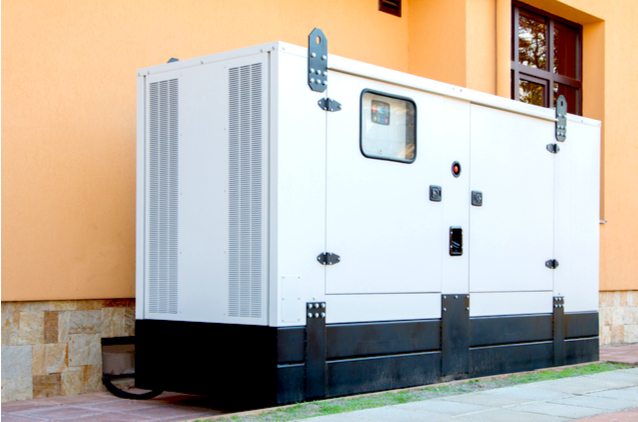
When assessing standby power generators, a critical factor to weigh is their fuel consumption, a factor that influences both running expenses and long-term environmental viability. Different models exhibit varying levels of fuel efficiency, a result of the specific engine design and incorporated technology. Units running on diesel, propane, and gasoline show different rates of consumption, where diesel typically offers greater energy concentration and longer run times. Nevertheless, natural gas and propane alternatives are becoming more popular due to their cleaner combustion and reduced pollutant output. Knowing the fuel efficiency data, for instance, BTU production or GPH (gallons per hour), is critical for users aiming to balance functionality against economic viability. Moreover, the impact of fuel selection on the environment emphasize the need to pick a unit that meets eco-friendly targets.
Sustainable Power Alternatives
Sustainable power alternatives for backup units provide a strong option to traditional fuel sources, particularly regarding fuel efficiency and environmental impact. Solar and wind power are being incorporated more often into backup systems, allowing users to harness natural resources to produce electricity. Such alternatives significantly decrease dependence on fossil fuels, leading to lower greenhouse gas emissions and a smaller carbon footprint. Additionally, advancements in energy storage technologies enable better utilization of renewable resources, ensuring a consistent power supply in the event of a blackout. While the upfront cost can be greater, but long-term savings on fuel costs and maintenance, combined with the ecological advantages, render green power alternatives a compelling option. Ultimately, the transition to sustainable energy sources in standby generators reflects a growing commitment to eco-friendly practices.
Service and Maintenance Contracts
Scheduled maintenance programs are essential for ensuring the longevity and dependable operation of backup units. These contracts generally cover regular examinations, testing, and servicing performed by trained specialists. When technicians perform these checks, essential elements such as batteries, fuel systems, and electrical connections are carefully checked to prevent potential failures during an outage.
Service plans commonly incorporate routine oil servicing, replacing filters, and checking the coolant, which maximize the generator's functionality and fuel economy. Additionally, most suppliers feature urgent assistance options, ensuring prompt assistance if issues arise when routine maintenance is not scheduled.
Purchasing a comprehensive service plan helps to lengthen the lifespan of the generator but also gives confidence, knowing that the unit is prepared for sudden electricity failures. Users may choose from a range of service plans designed for individual needs, ensuring optimal performance and trustworthiness throughout the generator's working span.
Safety Features and Regulatory Compliance
Safety measures and regulatory requirements represent crucial factors in the operation and construction of standby generators, confirming both the user's safety and meeting industry standards. Contemporary standby units are built with several security systems, such as self-activating shutdown mechanisms that engage when faults occur, averting risks like shocks or combustion. Moreover, many units are equipped with carbon monoxide detectors, which help mitigate the risk related to dangerous exhaust fumes.
Meeting local and national regulations, such as the NEC (National Electrical Code) and Underwriters Laboratories (UL) standards, is vital for manufacturer certification. These criteria ensure that standby generators are evaluated for output, dependability, and safety. Furthermore, manufacturers often provide guides explaining safety practices and installation guidelines. By prioritizing these features and adherence criteria, standby generators not only enhance user confidence but also promote safe operation during power outages, in the end preserving both belongings and people.
FAQs
How Much Does a Standby Generator Cost on Average?
Typically, a standby generator costs in the range of $5,000 to $15,000, with installation included. Variables impacting the price involve the size of the generator, manufacturer, and extra functionalities, with different choices offered to match diverse residential requirements and budgets.
What is the typical operational life of a Standby Generator?
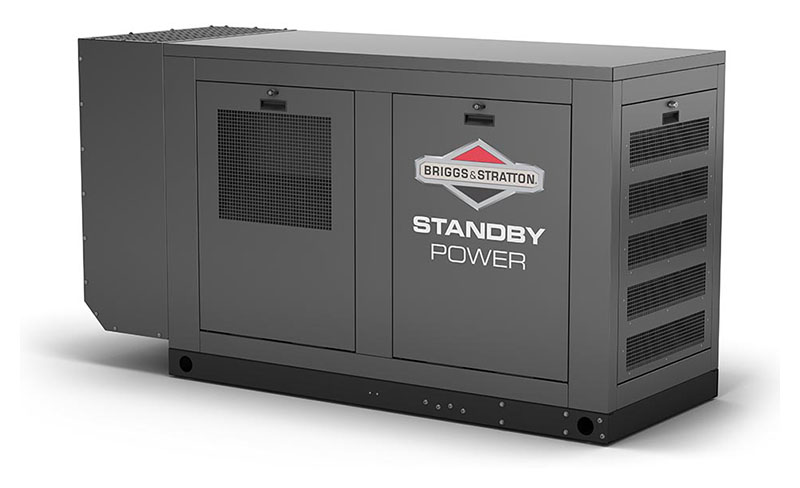
The lifespan of a standby generator usually falls between 15 to 30 years, contingent on utilization, upkeep, and external elements. Regular servicing can greatly enhance life expectancy and dependability throughout its operational life.
Is Self-Installation of a Standby Generator Possible?
Self-installing a standby generator is feasible for skilled individuals, but it is generally not recommended because of safety hazards and local regulations. Professional installation guarantees meeting all standards and maximum efficiency for the generator.
Which Brands Offer the Best Reliability for Home Standby Generators?
Some of the most reliable standby generator brands are Generac, Kohler, and Briggs & Stratton. Portland Standby Generators. These manufacturers are recognized for their longevity, efficiency, and comprehensive customer service, which makes them favored options among those needing trustworthy emergency power systems
How Should I Determine the Correct Generator Size for My Home?
Selecting the appropriate generator size requires, it's essential to compute the total power draw of critical devices, consider starting versus running wattage, and consider any anticipated future requirements, ensuring the generator can handle peak demands effectively.